
Ice Baths for Recovery and Wellbeing
For anyone who enjoys moving their body and challenging themselves through exercise, recovery is just as important as the workout itself. One practice that has been embraced by athletes and fitness enthusiasts around the world is cold-water immersion — or the humble ice bath. While it might seem a little intimidating at first, it offers a gentle, natural way to support both body and mind after exertion.
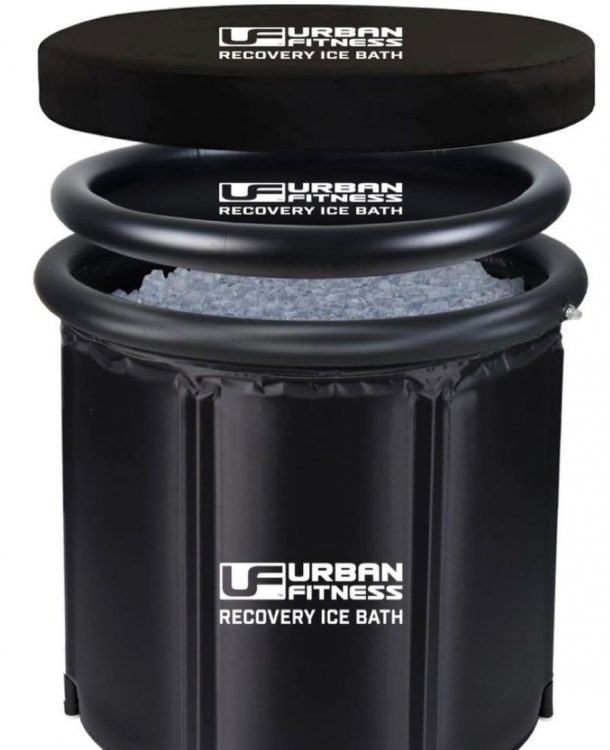
The Benefits of Cold Water Therapy
Cold-water therapy isn’t just a modern trend; it has roots in centuries of tradition, from mountain streams to Nordic spas. Its effects extend far beyond the initial shock of cold water, offering a range of potential benefits for those who approach it safely and mindfully.
Reduced Muscle Soreness and Inflammation
After an intense session, muscles can feel heavy or tender. Immersing in cold water can help ease this soreness. The cold causes blood vessels to constrict and slows metabolic activity, which may reduce swelling and tissue breakdown. In practice, this helps you move more comfortably in the days following exercise.
Enhanced Recovery
Ice baths are a favourite among athletes because they can accelerate recovery. By reducing inflammation and muscle strain, cold-water immersion helps minimise damage and allows the body to recover more quickly. Whether after a long run, a weight session, or an energetic class, it may help you feel ready for your next workout sooner.
Improved Circulation
Cold water encourages the body to maintain its core temperature, which stimulates blood flow. This increased circulation can support cardiovascular health and help flush away metabolic waste from muscles, assisting the body’s natural repair processes.
Pain Relief
Cold therapy has long been valued for its analgesic (pain-relieving) effects. Immersing in cold water can numb nerve endings, dulling the perception of pain. It’s a simple, natural way to soothe aches after a particularly active day.
Potential Support for Weight Management
Some research suggests that cold exposure may promote the production of brown adipose tissue, which burns calories to generate heat. While this isn’t a substitute for regular movement and healthy nutrition, it may complement an active lifestyle.
Finding the Right Temperature and Time
The benefits of an ice bath depend on matching water temperature with time spent immersed. For those starting out, it’s best to begin gently and gradually increase both duration and intensity as your body adapts. Some general guidelines:
- 1°C: 1-minute submersion
- 3°C: 3-minute submersion
- 5°C: 5-minute submersion
- 10°C: 10-minute submersion
Even brief periods in colder water can be effective, provided you listen to your body and avoid overexposure. Focus on your breathing, and treat the bath as a moment of restoration rather than endurance for endurance’s sake.
Tips for Beginners
If you’re new to ice baths, here are a few gentle suggestions to help you start:
- Start Slowly: Begin with a few minutes at a milder temperature before working towards colder, longer immersions.
- Breathe Deeply: Focus on slow, steady breaths. This helps calm your nervous system and makes the cold feel more manageable.
- Move Gently: Slight movements like flexing your toes or gently rotating your ankles can help circulation without overexerting your body.
- Warm Up Afterwards: Have a warm towel or blanket ready for after the bath. A short stretch or light movement can also help ease muscles back into normal temperature.
- Stay Hydrated: Cold immersion can be dehydrating. Drinking water before and after helps your body adapt.
Safety First
While ice baths can be highly beneficial, they are not suitable for everyone. People with heart conditions, high blood pressure, or certain medical conditions should consult a healthcare professional before trying cold-water immersion. Always listen to your body, and avoid prolonged exposure if you feel numbness, dizziness, or extreme discomfort.
Making Ice Baths Part of Your Routine
Beyond the physical benefits, ice baths offer a moment of mindfulness. The initial shock of cold water encourages you to focus on the present — to breathe, to notice sensations, and to simply be. In this way, an ice bath becomes as much a mental practice as a physical one. Over time, it can grow into a small ritual of self-care, signalling a pause for the body and mind to reset and recover.
Whether you take a few minutes after a tough workout, or schedule weekly recovery sessions, cold-water immersion can be a simple, natural way to care for yourself. It reminds us that wellness isn’t only built in the gym or on the track — it’s also in the small, intentional acts of restoration we give ourselves.
Recovery doesn’t have to be complicated. Sometimes, it’s as simple as stepping into cold water, breathing deeply, and allowing your body to respond. With patience, care, and mindful attention, ice baths can be a gentle yet powerful tool for physical repair, mental clarity, and overall wellbeing.
So, the next time you finish a challenging workout, consider giving it a try. Step carefully, breathe steadily, and let the cold work its quiet magic — your body and mind may thank you for it.
Further Reading: Level Up Your Fitness: The Ultimate Guide to Weighted Vests, Why Fabric Kettlebells Are the Game-Changer Your Home Gym Needs, Spin Your Way to Fitness: Urban Fitness Smart Weighted Fitness Hoop, Why I Choose Urban Fitness Equipment for My Home Gym
Daily Inspiration: Instagram, Pinterest, Threads, Twitter, TikTok, BlueSky