There’s something about autumn that makes a bowl of homemade soup particularly appealing. Perhaps it’s the cooler mornings, the golden leaves gathering along the garden path or the familiar feeling of coming indoors after a long walk, cheeks rosy and fingers just a little cold.
Whatever the reason, October always feels like the perfect time to bring out the big saucepan.
And while summer has its salads and barbecues, autumn belongs to soup.
There’s a certain pleasure in chopping a few vegetables, adding a handful of herbs and leaving everything to bubble gently on the hob. Before long, the kitchen smells wonderful, there’s something delicious for lunch and, with a little luck, enough left over for tomorrow.
Homemade soup is also one of the simplest ways to make the most of seasonal vegetables. It’s affordable, endlessly adaptable and a lovely way to turn a handful of everyday ingredients into something nourishing.
From silky butternut squash and warming carrot and coriander to hearty lentil, leek and potato, and a particularly comforting chicken and vegetable soup, these 10 easy autumn soup recipes are full of flavour and perfect for chilly British days.
So, find your favourite saucepan, put the kettle on and make room in the freezer. It’s officially soup season.
Why Homemade Soup Is So Good for You
There’s much more to homemade soup than warmth and comfort.
Made with a generous helping of vegetables, pulses, herbs and wholesome ingredients, soup can be a useful addition to a healthy, balanced diet.
One of its greatest advantages is that you know exactly what’s going into it. You can choose your favourite vegetables, control the amount of salt and adjust the ingredients to suit your tastes.
A few reasons to love homemade soup:
- A lovely way to eat more vegetables. Carrots, leeks, squash, broccoli, tomatoes and leafy greens can all find their way into a saucepan.
- A source of dietary fibre. Vegetables, beans and lentils provide fibre, which supports healthy digestion and helps keep us feeling satisfied.
- Full of useful nutrients. Different vegetables provide vitamins, minerals and naturally occurring plant compounds that contribute to a balanced diet.
- An affordable meal. Seasonal vegetables, dried pulses and store-cupboard ingredients can make several generous portions without costing a fortune.
- Perfect for batch cooking. Many homemade soups freeze beautifully, making them ideal for busy days.
- Easy to adapt. Whether you prefer vegetarian, dairy-free, chunky or smooth soups, there’s usually a simple way to make a recipe your own.
Of course, not every soup is automatically a complete meal. Adding lentils, beans, chicken or another protein source, or serving it with wholemeal bread, can help make it more substantial.
And although a swirl of cream or a little grated cheese is lovely occasionally, you don’t always need either to make a deliciously rich soup.
Sometimes a humble potato or a handful of blended beans is all it takes.
1. Roasted Butternut Squash and Sage Soup
Golden, velvety and full of autumn flavour.
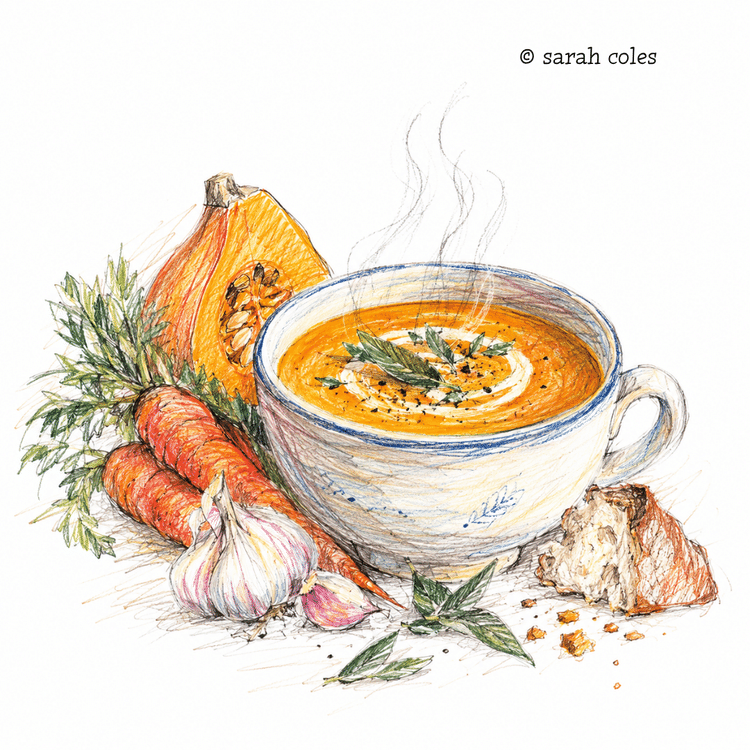
Few vegetables capture the colours of autumn quite like butternut squash. Its beautiful orange flesh becomes wonderfully sweet when roasted, and paired with earthy sage, it makes a soup that feels made for October.
Roasting the vegetables first brings out their natural sweetness and adds a deeper flavour than simply boiling everything together.
It’s particularly good with a slice of crusty bread and a little freshly ground black pepper.
Serves: 4
Preparation: 15 minutes
Cooking: 40–45 minutes
Ingredients
- 1 medium butternut squash, approximately 1kg
- 1 large onion, peeled and quartered
- 2 garlic cloves, left in their skins
- 1 medium carrot, chopped
- 1 tbsp olive oil
- 6 fresh sage leaves, plus extra to garnish
- 750ml reduced-salt vegetable stock
- ¼ tsp ground nutmeg
- Freshly ground black pepper
- A squeeze of lemon juice, to taste
Method
- Preheat the oven to 200°C (180°C fan).
- Peel the butternut squash, remove the seeds and cut the flesh into roughly 3cm cubes.
- Arrange the squash, onion, garlic and carrot on a large baking tray. Drizzle with olive oil, add the sage leaves and toss everything together.
- Roast for 30–35 minutes, turning halfway through, until the vegetables are tender and beginning to caramelise.
- Transfer the roasted vegetables to a large saucepan, squeezing the softened garlic from its skins.
- Add the vegetable stock and nutmeg. Bring to a gentle simmer for 5 minutes.
- Blend until smooth, adding a little extra water if you prefer a thinner consistency.
- Season with black pepper and a squeeze of lemon juice. Serve with a little chopped sage.
Why It’s Good for You
Butternut squash is a particularly good source of beta-carotene, the orange pigment that our bodies can convert into vitamin A.
Vitamin A contributes to normal vision, immune function and the maintenance of healthy skin.
Squash also provides fibre and potassium, while the carrots add more beta-carotene and natural sweetness.
A little kitchen tip: Don’t throw away the squash seeds. Clean and dry them, then roast until crisp for a delicious topping.
2. Classic Carrot and Coriander Soup
A familiar favourite that’s inexpensive, nutritious and wonderfully comforting.
Carrot and coriander soup is one of those recipes that never really goes out of fashion.
Perhaps that’s because it’s so simple. A few carrots, an onion, some stock and a handful of coriander are all you need for a delicious lunch.
The sweetness of the carrots works beautifully with the fresh, slightly citrusy flavour of coriander, while a potato gives the soup a lovely creamy texture without needing any cream.
Serves: 4
Preparation: 10 minutes
Cooking: 25 minutes
Ingredients
- 600g carrots, peeled and sliced
- 1 medium onion, finely chopped
- 1 medium potato, peeled and diced
- 1 tbsp rapeseed oil
- 1 tsp ground coriander
- 900ml reduced-salt vegetable stock
- 20g fresh coriander, stalks and leaves
- Freshly ground black pepper
- A squeeze of lemon juice
Method
- Heat the oil in a large saucepan over a medium heat.
- Add the onion and cook gently for 5 minutes until softened.
- Stir in the ground coriander and cook for another 30 seconds to release its fragrance.
- Add the carrots, potato and vegetable stock.
- Bring to the boil, reduce the heat and simmer for 20 minutes, or until the vegetables are tender.
- Add most of the fresh coriander, reserving a little for serving.
- Blend until smooth, adding more water if necessary.
- Finish with black pepper, lemon juice and the remaining coriander.
Why It’s Good for You
Carrots are a wonderful source of beta-carotene, a natural plant pigment that our bodies can convert into vitamin A as needed. Vitamin A helps maintain normal vision, supports the immune system and contributes to healthy skin.
Carrots also provide dietary fibre, which is important for healthy digestion.
The potato gives this soup its lovely smooth texture without needing cream, making it a simple and satisfying choice for lunch.
A little kitchen tip: If you’re not particularly fond of coriander, try fresh parsley and a pinch of cumin instead.
3. Hearty Red Lentil and Tomato Soup
A filling, budget-friendly soup that’s ideal for batch cooking.
There’s something reassuring about a saucepan of lentil soup bubbling away on the hob.
Red lentils are wonderfully useful to keep in the cupboard. They’re inexpensive, cook relatively quickly and don’t need soaking.
Combined with tomatoes, carrots and a few warming spices, they make a substantial soup that’s perfect for lunch or a simple evening meal.
This is one of those recipes that often tastes even better the following day.
Serves: 4
Preparation: 10 minutes
Cooking: 30 minutes
Ingredients
- 200g dried red lentils
- 1 onion, finely chopped
- 2 carrots, diced
- 2 garlic cloves, crushed
- 1 tbsp olive oil
- 1 tsp ground cumin
- ½ tsp smoked paprika
- 1 x 400g tin chopped tomatoes
- 900ml reduced-salt vegetable stock
- 1 tbsp tomato purée
- 1 bay leaf
- Freshly ground black pepper
- A squeeze of lemon juice
- Fresh parsley, to serve
Method
- Rinse the lentils thoroughly under cold running water.
- Heat the olive oil in a large saucepan and gently cook the onion and carrots for 5 minutes.
- Add the garlic, cumin and smoked paprika, stirring for another minute.
- Add the lentils, chopped tomatoes, stock, tomato purée and bay leaf.
- Bring to the boil, then reduce the heat and simmer gently for 25–30 minutes, stirring occasionally, until the lentils are completely soft.
- Remove the bay leaf.
- Blend half the soup for a thicker consistency, leaving the rest chunky, or blend everything if you prefer.
- Finish with lemon juice, black pepper and chopped parsley.
Why It’s Good for You
Red lentils are a brilliant little store-cupboard ingredient, providing plant-based protein, dietary fibre, iron and folate.
Protein helps the body grow and repair tissues, while fibre supports healthy digestion and helps us feel satisfied after eating.
Tomatoes contain lycopene, the natural pigment responsible for their lovely red colour, along with vitamin C, although some of this is lost during cooking.
Finishing the soup with a squeeze of fresh lemon juice adds flavour and a little vitamin C, which helps our bodies absorb iron from plant foods.
A little kitchen tip: This soup thickens as it stands because the lentils continue to absorb liquid. Simply add a splash of water when reheating.
4. Creamy Leek and Potato Soup
Simple ingredients, gentle flavours and a proper taste of home.
Leek and potato soup is a British kitchen classic, and for good reason.
There’s nothing particularly fancy about it, but that’s part of its charm. Sweet, softened leeks and tender potatoes combine to create a wonderfully smooth, comforting soup.
It’s also a lovely way to use seasonal British leeks, which are especially welcome during the colder months.
Serves: 4
Preparation: 15 minutes
Cooking: 30 minutes
Ingredients
- 3 medium leeks, approximately 450g trimmed weight
- 400g potatoes, peeled and diced
- 1 small onion, finely chopped
- 1 tbsp rapeseed oil
- 1 garlic clove, crushed
- 850ml reduced-salt vegetable stock
- 100ml semi-skimmed milk
- 1 tsp fresh thyme leaves
- Freshly ground black pepper
- 1 tbsp chopped chives, to serve
Method
- Trim the leeks, slice lengthways and wash thoroughly between the layers to remove any soil.
- Slice the leeks into thin rounds.
- Heat the oil in a large saucepan and gently cook the leeks and onion for 8–10 minutes until soft but not browned.
- Add the garlic and thyme, stirring for another minute.
- Add the potatoes and vegetable stock.
- Bring to the boil, reduce the heat and simmer for 15–20 minutes until the potatoes are completely tender.
- Blend until smooth.
- Stir in the milk and warm gently without boiling vigorously.
- Season with black pepper and serve sprinkled with chives.
Why It’s Good for You
Leeks provide dietary fibre, including naturally occurring prebiotic fibres that can be used by beneficial bacteria in the gut.
Potatoes contribute potassium and some vitamin C, although cooking reduces the amount of vitamin C they contain.
A splash of semi-skimmed milk adds a little calcium and protein, while keeping the soup creamy without needing double cream.
A little kitchen tip: Don’t rush the leeks. Cooking them slowly without browning brings out their lovely natural sweetness.
5. Roasted Tomato and Red Pepper Soup
Bright, rich and full of flavour, with very little fuss.
Tomato soup has always been a favourite, but roasting the tomatoes and peppers first makes it even better.
The heat concentrates their flavour and brings out a natural sweetness, while garlic and basil add that unmistakable homemade taste.
It’s a wonderful recipe for using up the last of the garden tomatoes, although supermarket tomatoes work perfectly well too.
Serves: 4
Preparation: 15 minutes
Cooking: 40 minutes
Ingredients
- 700g ripe tomatoes, halved
- 2 large red peppers, deseeded and chopped
- 1 red onion, quartered
- 3 garlic cloves, left in their skins
- 1½ tbsp olive oil
- 1 tbsp tomato purée
- 500ml reduced-salt vegetable stock
- 1 tsp dried oregano
- 10 fresh basil leaves
- Freshly ground black pepper
- 1 tsp balsamic vinegar
Method
- Preheat the oven to 200°C (180°C fan).
- Arrange the tomatoes, peppers, onion and garlic on a large roasting tray.
- Drizzle with olive oil, sprinkle over the oregano and roast for 30–35 minutes.
- Once the vegetables are soft and slightly caramelised, transfer them to a saucepan, squeezing the garlic from its skins.
- Add the tomato purée and stock.
- Simmer gently for 5 minutes.
- Add the basil leaves and blend until smooth.
- Stir in the balsamic vinegar and season with black pepper.
- If you prefer a particularly smooth soup, pass it through a sieve before serving.
Why It’s Good for You
Tomatoes contain lycopene, a naturally occurring plant pigment that gives them their beautiful red colour.
Interestingly, cooking tomatoes can make some of their lycopene easier for our bodies to absorb, particularly when they’re eaten with a little olive oil.
Red peppers provide vitamin C, although roasting reduces some of this heat-sensitive vitamin.
Together, the tomatoes and peppers offer a lovely mixture of nutrients and natural plant compounds, making this a colourful addition to a balanced diet.
A little kitchen tip: A spoonful of plain yoghurt makes a delicious alternative to cream when serving.
6. Parsnip, Apple and Thyme Soup
A gently sweet autumn soup with a lovely countryside feel.
Parsnips are one of autumn’s unsung heroes.
They’re wonderfully versatile, inexpensive when in season and develop a delicious sweetness when cooked.
Pair them with a crisp British apple and a little thyme, and you’ve got a beautifully balanced soup that’s just a little different from the usual favourites.
The apple adds a gentle sharpness that stops the parsnips becoming too sweet.
Serves: 4
Preparation: 15 minutes
Cooking: 30 minutes
Ingredients
- 500g parsnips, peeled and chopped
- 1 large eating apple, cored and chopped
- 1 medium onion, chopped
- 1 medium potato, peeled and diced
- 1 tbsp rapeseed oil
- 2 tsp fresh thyme leaves
- 800ml reduced-salt vegetable stock
- 100ml semi-skimmed milk
- Freshly ground black pepper
- A squeeze of lemon juice
Method
- Heat the oil in a large saucepan.
- Add the onion and cook gently for 5 minutes.
- Stir in the parsnips, apple, potato and thyme.
- Cook for another 3 minutes, stirring occasionally.
- Add the vegetable stock and bring to a gentle boil.
- Reduce the heat and simmer for 20–25 minutes until the vegetables are tender.
- Blend until completely smooth.
- Stir in the milk and warm gently.
- Finish with black pepper and a little lemon juice to balance the sweetness.
Why It’s Good for You
Parsnips provide dietary fibre, potassium and folate.
The apple adds more fibre, including pectin, a type of soluble fibre.
Together, they create a satisfying soup with a naturally sweet flavour, without needing added sugar.
A little kitchen tip: For an extra autumnal flavour, roast the parsnips before adding them to the saucepan.
7. Broccoli, Spinach and White Bean Soup
A vibrant green soup that’s both nourishing and satisfying.
Green soup might not sound quite as exciting as its golden autumn cousins, but this one deserves a place on the menu.
Broccoli, spinach and white beans make a lovely combination, creating a soup that’s fresh, filling and surprisingly creamy.
The beans do much of the work here, giving the soup body without needing cream.
It’s a useful recipe for those days when you want something wholesome but don’t fancy spending ages in the kitchen.
Serves: 4
Preparation: 10 minutes
Cooking: 20 minutes
Ingredients
- 1 large broccoli head, approximately 400g, including the tender stalk
- 100g fresh spinach
- 1 x 400g tin cannellini beans, drained and rinsed
- 1 onion, finely chopped
- 2 garlic cloves, crushed
- 1 tbsp olive oil
- 750ml reduced-salt vegetable stock
- 1 tbsp lemon juice
- Freshly ground black pepper
- 2 tbsp plain yoghurt, optional, to serve
Method
- Cut the broccoli into florets and finely chop the tender stalk.
- Heat the olive oil in a saucepan and gently cook the onion for 5 minutes.
- Add the garlic and cook for another minute.
- Add the broccoli and vegetable stock.
- Simmer for 8–10 minutes until the broccoli is tender.
- Add the drained beans and cook for another 3 minutes until heated through.
- Stir in the spinach and allow it to wilt for 1–2 minutes.
- Blend until smooth, then add the lemon juice and black pepper.
- Serve with a little plain yoghurt if you fancy it.
Why It’s Good for You
Broccoli provides vitamin C, vitamin K, folate and fibre.
Spinach contributes folate, vitamin K and carotenoids, while cannellini beans add plant protein and fibre.
The beans also help make this soup more substantial, making it a good choice for a filling lunch.
A little kitchen tip: Don’t overcook the broccoli and spinach. Adding the spinach towards the end helps retain its lovely green colour.
8. Warming Chicken and Vegetable Soup
A proper comforting bowl, especially welcome after a chilly day outdoors.
Sometimes only chicken soup will do.
This is the sort of recipe that makes good use of leftover roast chicken, a few vegetables and some everyday cupboard ingredients.
It’s simple, hearty and wonderfully practical, particularly if you’ve had a Sunday roast and want to make the leftovers go a little further.
Serves: 4
Preparation: 15 minutes
Cooking: 30 minutes
Ingredients
- 250g cooked chicken, shredded
- 2 carrots, diced
- 2 celery sticks, chopped
- 1 leek, washed and sliced
- 1 small onion, chopped
- 1 tbsp olive oil
- 1 garlic clove, crushed
- 1 litre reduced-salt chicken stock
- 100g dried small soup pasta
- 1 bay leaf
- 1 tsp dried thyme
- Freshly ground black pepper
- 1 tbsp chopped parsley
Method
- Heat the olive oil in a large saucepan.
- Add the onion, carrots, celery and leek, cooking gently for 8 minutes.
- Stir in the garlic and thyme.
- Add the stock and bay leaf, then bring to a simmer.
- Cook for 10 minutes until the vegetables begin to soften.
- Add the dried pasta and simmer according to the packet instructions, usually around 8–12 minutes.
- Stir in the cooked chicken during the final 5 minutes and ensure it is thoroughly heated through.
- Remove the bay leaf, season with black pepper and finish with fresh parsley.
Why It’s Good for You
Chicken is a useful source of protein, which contributes to the growth and repair of body tissues.
The vegetables provide fibre, vitamins and minerals, while the pasta supplies carbohydrates for energy.
For extra fibre, choose wholewheat pasta if available.
A little kitchen tip: If you’re using leftover roast chicken, make sure it has been cooled and stored safely. The soup is best made while the chicken is still within its safe storage period.
9. Curried Cauliflower and Chickpea Soup
A gently spiced soup that’s full of warmth without being too hot.
Cauliflower is one of those vegetables that transforms beautifully when roasted.
Its flavour becomes richer and slightly nutty, making it a lovely base for a warming autumn soup.
Add chickpeas, cumin and a little curry powder, and you’ve got something wonderfully satisfying.
It’s also an excellent way to introduce a little variety into your usual soup-making routine.
Serves: 4
Preparation: 15 minutes
Cooking: 35 minutes
Ingredients
- 1 medium cauliflower, approximately 700g, cut into florets
- 1 x 400g tin chickpeas, drained and rinsed
- 1 onion, finely chopped
- 2 garlic cloves, crushed
- 1 tbsp rapeseed oil
- 2 tsp mild curry powder
- ½ tsp ground cumin
- 800ml reduced-salt vegetable stock
- 100ml semi-skimmed milk or unsweetened fortified soya drink
- 1 tbsp lemon juice
- Fresh coriander or parsley, to serve
Method
- Preheat the oven to 200°C (180°C fan).
- Place the cauliflower florets on a baking tray, toss with half the oil and roast for 20–25 minutes until lightly golden.
- Meanwhile, heat the remaining oil in a saucepan and gently cook the onion for 5 minutes.
- Add the garlic, curry powder and cumin, stirring for another minute.
- Add the roasted cauliflower, chickpeas and vegetable stock.
- Simmer gently for 10 minutes.
- Blend until smooth, adding the milk or soya drink to achieve your preferred consistency.
- Stir in the lemon juice and garnish with fresh herbs.
Why It’s Good for You
Cauliflower provides vitamin C, folate and fibre.
Chickpeas are a valuable source of plant-based protein and fibre, helping make this a satisfying meat-free meal.
The spices add plenty of flavour without needing excessive salt.
A little kitchen tip: Reserve a few chickpeas before blending, pat them dry and roast until crisp for a lovely crunchy topping.
10. Hearty Autumn Minestrone
A proper meal in a bowl, packed with vegetables, beans and pasta.
If there’s one soup that can make good use of the odds and ends in the vegetable drawer, it’s minestrone.
This hearty Italian-inspired soup is wonderfully adaptable, making it ideal for autumn when there’s often a mixture of seasonal produce to use up.
Carrots, celery, leeks, cabbage, beans and pasta come together in a rich tomato broth.
It’s the sort of soup that makes a very satisfying lunch, particularly with a little grated Parmesan-style cheese and some crusty bread.
Serves: 6
Preparation: 15 minutes
Cooking: 35 minutes
Ingredients
- 1 onion, finely chopped
- 2 carrots, diced
- 2 celery sticks, chopped
- 1 small leek, washed and sliced
- 1 small courgette, diced
- 100g savoy cabbage, finely shredded
- 2 garlic cloves, crushed
- 1 tbsp olive oil
- 1 x 400g tin chopped tomatoes
- 1 x 400g tin cannellini beans, drained and rinsed
- 1.2 litres reduced-salt vegetable stock
- 100g dried small pasta shapes
- 1 tsp dried oregano
- 1 bay leaf
- Freshly ground black pepper
- Fresh basil or parsley, to serve
- A little grated hard cheese, optional
Method
- Heat the olive oil in a large saucepan.
- Add the onion, carrots, celery and leek, cooking gently for 8 minutes.
- Stir in the garlic and oregano.
- Add the chopped tomatoes, stock and bay leaf.
- Bring to a simmer and cook for 10 minutes.
- Add the courgette, cabbage, cannellini beans and pasta.
- Simmer for another 10–12 minutes, or until the pasta is cooked and the vegetables are tender.
- Remove the bay leaf, season with black pepper and finish with fresh herbs.
- Serve with a little grated cheese if desired.
Why It’s Good for You
Minestrone is a wonderful example of how a varied mixture of vegetables and pulses can contribute to a balanced diet.
The beans provide protein and fibre, while the vegetables supply a range of vitamins, minerals and beneficial plant compounds.
Using wholewheat pasta increases the fibre content further.
A little kitchen tip: If you’re making minestrone to freeze, cook the pasta separately and add it when serving. This stops it becoming too soft as the soup is stored and reheated.
How to Make Homemade Soup Taste Even Better
One of the nicest things about homemade soup is how forgiving it can be.
You don’t need expensive ingredients or complicated techniques. A few small changes can make a surprising difference.
Start with a good flavour base. Gently cooking onions, leeks, celery or garlic before adding the liquid gives your soup a richer, more rounded flavour.
Roast vegetables when you have time. Roasting squash, carrots, tomatoes or cauliflower brings out their natural sweetness and adds depth.
Use herbs generously. Thyme, rosemary, sage, parsley and coriander can completely transform a simple vegetable soup.
Don’t underestimate acidity. A squeeze of lemon juice or a dash of vinegar at the end can brighten the flavour, particularly in lentil, tomato and bean soups.
Experiment with texture. Some soups are lovely completely smooth, while others benefit from leaving a few chunks of vegetables or beans.
Taste before adding salt. Stock cubes, cheese and other ingredients can already contain quite a lot of salt, so it’s worth checking the flavour first.
And remember, a soup doesn’t have to look particularly impressive to taste wonderful.
Some of the best homemade soups are the ones made from whatever happens to be in the fridge.
Can You Freeze Homemade Soup?
Absolutely. In fact, making a little extra soup is one of the easiest ways to save time and money.
Most vegetable, lentil and bean soups freeze very well.
Allow the soup to cool promptly, divide it into individual portions and transfer it to suitable airtight containers.
Refrigerate or freeze within two hours of cooking, and avoid leaving a large saucepan of soup sitting at room temperature for hours.
For the best flavour and texture, aim to use frozen homemade soup within around three months, although the precise storage life depends on the ingredients and freezer conditions.
Soups containing cream, milk, pasta or potatoes may change texture slightly after freezing. They can still be useful for batch cooking, but you may prefer to add dairy products or pasta after reheating.
Defrost safely in the fridge where possible, and reheat until steaming hot throughout. Only reheat leftovers once.
It’s also worth labelling containers with the soup name and date. Otherwise, a few weeks later, you may find yourself playing the familiar freezer guessing game.
Making Homemade Soup on a Budget
Soup has always been a wonderfully economical way to feed a family, and it’s particularly useful when you’re trying to make the weekly food shop go further.
Seasonal vegetables are a good starting point, especially when they’re plentiful and reasonably priced.
Carrots, potatoes, onions, leeks, cabbage and parsnips can all form the basis of delicious soups without costing a fortune.
Dried lentils and tinned beans are useful cupboard staples, while frozen vegetables can be just as convenient as fresh ones.
There’s also no need to waste perfectly good vegetables simply because they’re looking a little tired.
A slightly soft carrot, a spare potato or the last few florets of broccoli can often be given a new lease of life in a saucepan, provided they’re still safe to eat.
And if you’ve made too much, freeze it for another day.
It’s a simple approach to cooking, but one that makes good sense.
Frequently Asked Questions About Homemade Soup
What Are the Best Vegetables for Autumn Soup?
Butternut squash, carrots, parsnips, leeks, potatoes, cauliflower, cabbage and beetroot are all excellent choices.
They provide a lovely mixture of flavours, textures and nutrients, and many are readily available in the UK during autumn.
Is Homemade Soup Healthy?
Homemade soup can be a nutritious part of a balanced diet, particularly when made with plenty of vegetables, pulses and other wholesome ingredients.
The nutritional value depends on the recipe, portion size and ingredients used.
Can Soup Count Towards Your Five a Day?
Yes. Vegetables and pulses in soup can contribute towards your five a day, depending on the quantities used.
An adult portion of vegetables is generally 80g. Beans and pulses count as a maximum of one portion towards your five a day, however much you eat.
Potatoes don’t count towards your five a day because they’re classified as a starchy food, although they still provide useful nutrients.
How Do You Thicken Soup Without Cream?
Potatoes, lentils, beans and other starchy vegetables can all thicken soup naturally.
You can also blend part of a chunky soup and stir it back into the saucepan.
How Long Does Homemade Soup Last in the Fridge?
As a general UK food safety rule, cooked leftovers should be cooled and refrigerated within two hours and eaten within 48 hours, or frozen.
Which Homemade Soups Are Best for Batch Cooking?
Lentil and tomato, butternut squash, carrot and coriander, roasted tomato and red pepper, and cauliflower and chickpea soups are all good choices.
For soups containing pasta, it’s often better to add the pasta when reheating.
A Bowl of Autumn Comfort
Perhaps the best thing about homemade soup is that it asks very little of us.
There are no complicated techniques to master, no long lists of expensive ingredients and certainly no need for everything to be perfect.
Just a few vegetables, a little time and a saucepan big enough to hold it all.
And in return, you get something warm, nourishing and delicious.
Whether you’re making a quick carrot and coriander soup for lunch, a hearty minestrone for the family or a big batch of lentil soup to tuck away in the freezer, there’s something deeply satisfying about cooking from scratch.
Especially at this time of year.
When the evenings begin drawing in, the leaves are turning golden and there’s a definite chill in the air, a steaming bowl of homemade soup feels like one of autumn’s simplest pleasures.
Add a slice of warm, crusty bread, perhaps a little butter, and a comfortable place to sit.
Sometimes, that’s all you need.
Here’s to soup season, muddy boots by the door and the comforting smell of something lovely bubbling away in the kitchen.
Further Reading: What to Forage in October: A Harvest from the Hedgerows, What’s in Season in October? A Guide to Britain’s Autumn Harvest, October Bucket List: Simple Things to Enjoy This Month, Autumn Walking: Why This Might Be the Best Season to Get Outside, The Comfort of Homemade Food
Daily Inspiration: Instagram, Pinterest, Threads, Twitter, TikTok, BlueSky