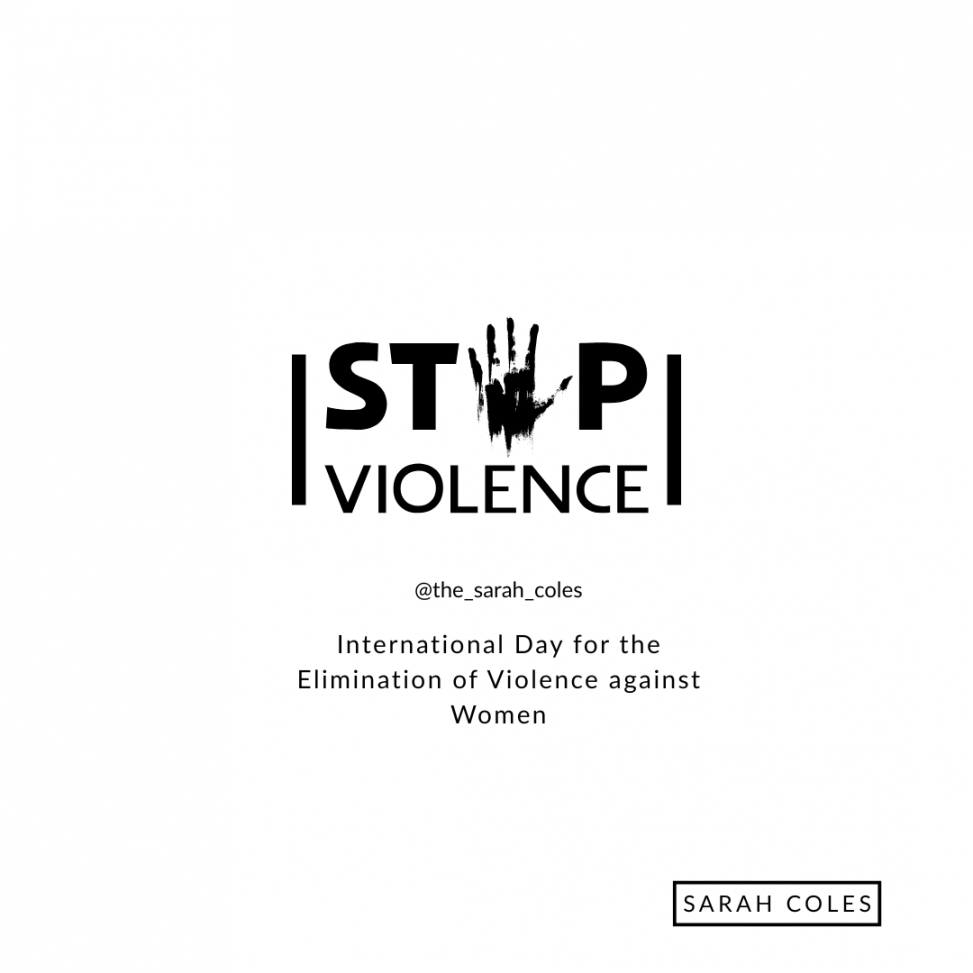
Every year on the 25th of November, the world observes the International Day for the Elimination of Violence against Women. This day marks the beginning of the “16 Days of Activism against Gender-Based Violence,” a global campaign that culminates on the 10th of December, Human Rights Day. It serves as a powerful reminder of the pervasive nature of violence against women and girls and calls on us all to take meaningful action. But where did this day originate, and what is its purpose?
A Day Born from Courage
The story behind this significant day is one of both tragedy and extraordinary bravery. The 25th of November was chosen to commemorate the Mirabal sisters—Patria, Minerva, and María Teresa—three political activists from the Dominican Republic. On this day in 1960, they were brutally assassinated on the orders of the dictator Rafael Trujillo, whose regime they fiercely opposed.
The Mirabal sisters, known by their underground code name “Las Mariposas” (The Butterflies), became symbols of democratic and feminist resistance. Their deaths sparked outrage both within the Dominican Republic and internationally, eventually contributing to the downfall of Trujillo’s dictatorship just months later. In 1981, feminist activists at the first Feminist Encuentro for Latin America and the Caribbean marked the anniversary of their deaths as a day to combat and raise awareness of violence against women. It wasn’t until December 1999 that the United Nations General Assembly officially designated the 25th of November as the International Day for the Elimination of Violence against Women, honouring the sisters’ legacy and bringing the issue to the global stage.
A Call to Unite and Act
The primary purpose of this day is to galvanise action to end one of the world’s most widespread, persistent, and devastating human rights violations. It is a day for governments, organisations, and individuals to come together and amplify the call for change. Each year, the UN launches the “UNITE to End Violence against Women” campaign, which sets a specific theme to guide activities and advocacy efforts around the world.
These campaigns often use the colour orange to symbolise a brighter future, free from violence. Iconic buildings and landmarks are illuminated in orange, and people are encouraged to wear the colour to show their solidarity. The goal is to make the issue impossible to ignore, fostering a global conversation that moves from awareness to concrete, funded action.
How to Show Your Support
Acknowledging the International Day for the Elimination of Violence against Women can take many forms, from individual gestures to collective efforts. Here are several ways you can contribute to the movement:
1. Educate Yourself and Others
Understanding the scale and different forms of violence against women is the first step. This includes domestic violence, sexual assault, harassment, human trafficking, female genital mutilation, and child marriage. Share what you learn with your family, friends, and community. Start conversations that challenge harmful stereotypes and myths surrounding gender-based violence. Reputable sources like UN Women and the World Health Organization offer extensive data and resources.
2. Amplify Survivors’ Voices
Many survivors of violence share their stories to heal and to advocate for change. Listen to them with empathy and respect. You can support their narratives by sharing them on social media (with permission), supporting survivor-led organisations, and creating safe spaces where others feel empowered to speak out without fear of judgement or reprisal.
3. Support Local Shelters and Organisations
Organisations working on the front lines provide critical services like shelter, counselling, and legal aid to survivors. These groups often operate on limited budgets. Consider donating money, volunteering your time, or providing essential items like toiletries, clothing, and food. Even a small contribution can make a significant difference in someone’s life.
4. Participate in the “16 Days of Activism”
Join the global campaign that runs from the 25th of November to the 10th of December. You can participate in local events, online campaigns, or create your own initiatives. Use hashtags like #NoExcuse, #OrangeTheWorld, and #16Days on social media to spread the message and connect with a global network of activists.
5. Advocate for Stronger Policies
Call on your elected officials to prioritise the issue. This means advocating for stronger laws, better enforcement, and increased funding for prevention programmes and survivor services. Write to your representatives, sign petitions, and support political candidates who have a clear commitment to ending gender-based violence.
Why This Day Matters
The statistics surrounding violence against women and girls are staggering. According to UN Women, nearly 1 in 3 women worldwide have experienced physical or sexual violence at least once in their lifetime. This is a crisis that cuts across all boundaries of age, race, religion and nationality. It not only devastates lives and families but also hinders social and economic development.
The “UNITE” campaign’s action plan is focused on preventing and responding to this violence. It calls for comprehensive strategies that include:
- Prevention: Addressing the root causes of violence, such as gender inequality, harmful social norms, and toxic masculinity.
- Protection: Ensuring survivors have access to essential services like healthcare, justice, and shelter.
- Prosecution: Holding perpetrators accountable for their actions and ending the culture of impunity.
By uniting under a common goal, the campaign aims to create a world where every woman and girl can live free from fear and violence.
A Collective Responsibility
The International Day for the Elimination of Violence against Women is more than just a date on the calendar. It is a day of remembrance for those we have lost, a day of solidarity with survivors, and a day of resolute commitment to action. The story of the Mirabal sisters reminds us that courage can bloom even in the darkest of times and that the fight for justice is a collective responsibility. Let us honour their legacy by working together to build a future where every butterfly can fly free.
The Benefits of Drinking Water, English Pudding Season, Is Coffee Healthy? The Truth Behind Your Morning Brew
Daily Inspiration: Instagram, Pinterest, Threads, Twitter, TikTok, BlueSky