May is a generous month. Hedgerows are bursting into life, woodland floors glow with fresh greens, and meadows begin to hum with possibility. For those who enjoy slowing down and noticing the detail of the landscape, foraging offers a way to connect more deeply with the season—and to bring a little of that wild abundance into your kitchen.
But before we fill our baskets, it’s worth understanding what foraging really means, and how to do it responsibly.
What is Foraging?
Foraging is the practice of gathering wild plants, flowers, fruits, and fungi for food, medicine, or practical use. It’s something our ancestors did daily, guided by deep knowledge of the land. Today, it’s less about survival and more about reconnection—learning the rhythms of nature, discovering forgotten flavours, and treading lightly in the places we love.
The Rules and Safety of Foraging
Foraging is simple in principle, but it requires care, respect, and a little restraint.
1. Be certain of identification
Never eat anything unless you are 100% sure of what it is. Many edible plants have toxic lookalikes. A good field guide—or better yet, learning from an experienced forager—is invaluable.
2. Follow the ‘one for me, plenty for nature’ rule
Only take what you need, and never strip an area. Wildlife depends on these plants too.
3. Know the law and land ownership
In the UK, you can forage for personal use on public land (like footpaths and common land), but not uproot plants without permission. Avoid private land unless you have consent.
4. Avoid polluted areas
Stay away from roadsides, industrial land, or areas sprayed with chemicals.
5. Harvest sustainably
Pick in a way that allows the plant to continue growing—take leaves rather than roots, and never damage the plant unnecessarily.
Eight Wonderful Things to Forage in May
1. Allium ursinum – Wild Garlic
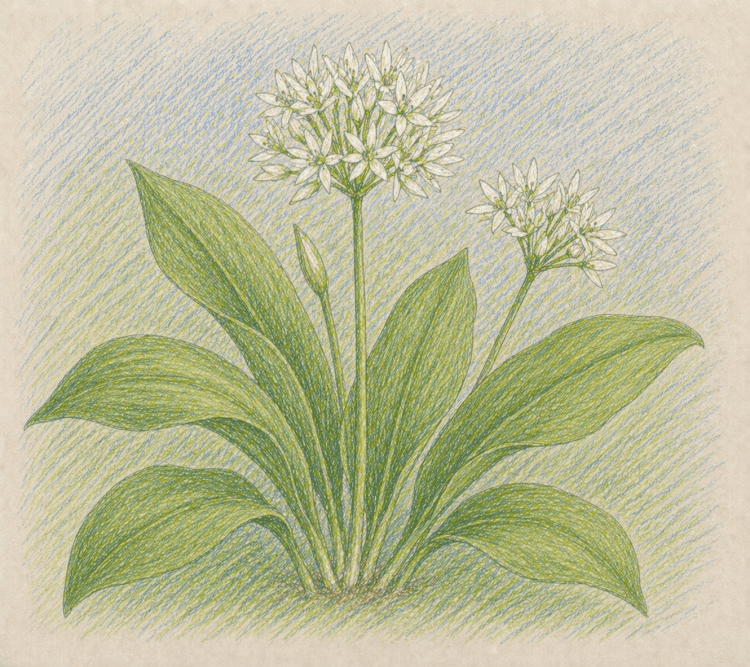
A true star of the season, wild garlic carpets woodland floors with glossy green leaves and delicate white flowers. The scent is unmistakable—fresh and garlicky.
Benefits & Uses:
Rich in vitamins and known for its antibacterial properties, wild garlic is a spring tonic.
Try this:
Blend leaves with olive oil, nuts, and parmesan for a vibrant wild garlic pesto. It also makes a beautiful soup or can be finely chopped into butter.
2. Urtica dioica – Nettle
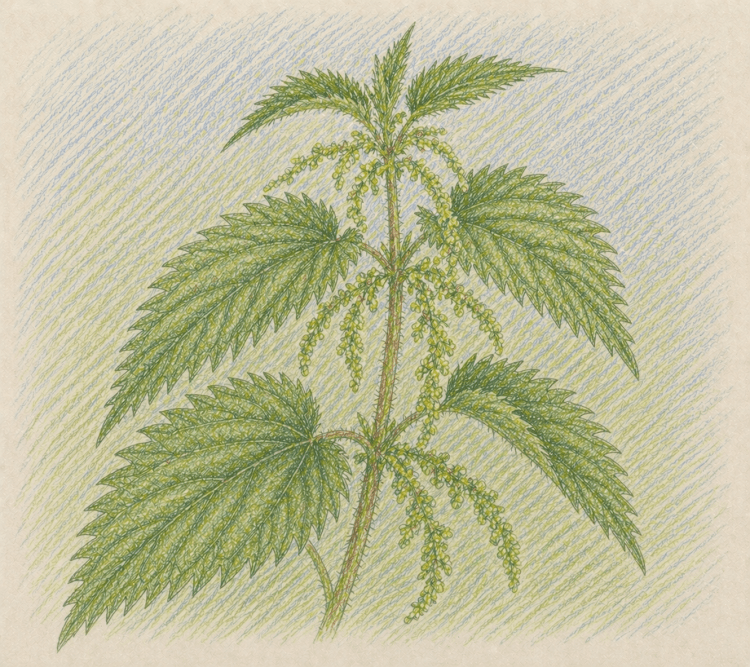
Often overlooked (or avoided!), nettles are one of the most nutritious wild greens available.
Benefits & Uses:
High in iron, calcium, and vitamins. Traditionally used to support circulation and reduce inflammation.
Try this:
Blanch the leaves to remove the sting, then use like spinach. A simple nettle soup with onion, potato, and stock is both comforting and nourishing.
3. Crataegus monogyna – Hawthorn
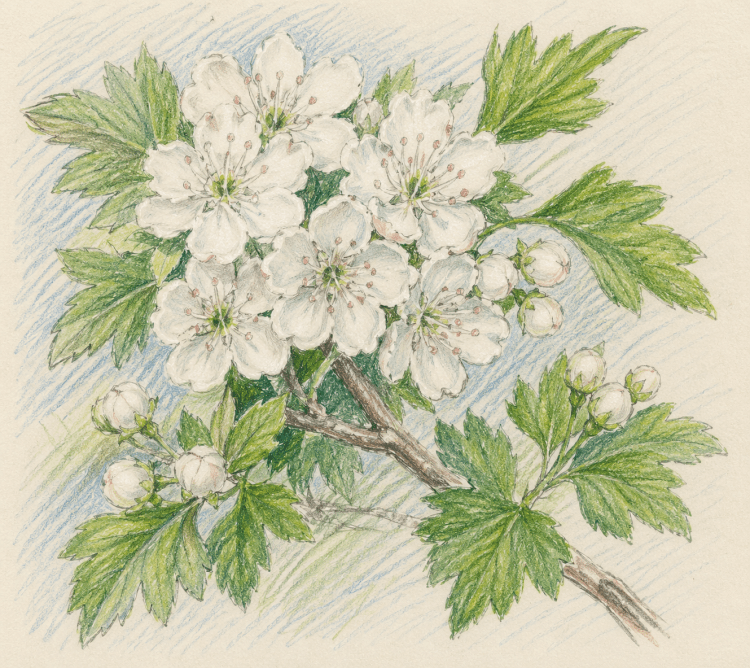
Also known as “May blossom,” hawthorn is deeply rooted in folklore and signals the height of spring.
Benefits & Uses:
Traditionally used to support heart health.
Try this:
Infuse the flowers in hot water for a delicate herbal tea, or use them to flavour syrups.
4. Sambucus nigra – Elderflower
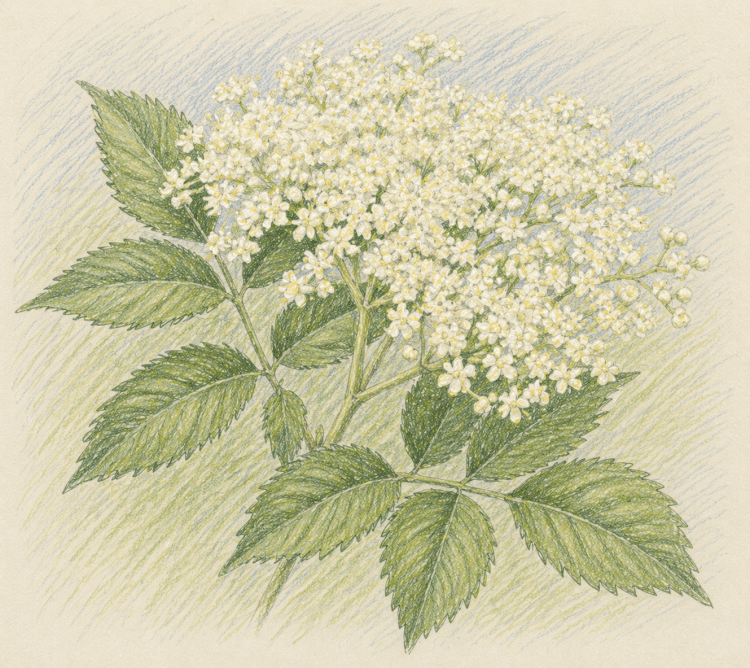
The scent of elderflower drifting on a warm breeze is unmistakable—light, floral, and slightly citrusy.
Benefits & Uses:
Used in cordials and traditionally for immune support.
Try this:
Make elderflower cordial by steeping the flower heads with lemon, sugar, and water. It’s perfect diluted with sparkling water on a sunny day.
5. Taraxacum – Dandelion
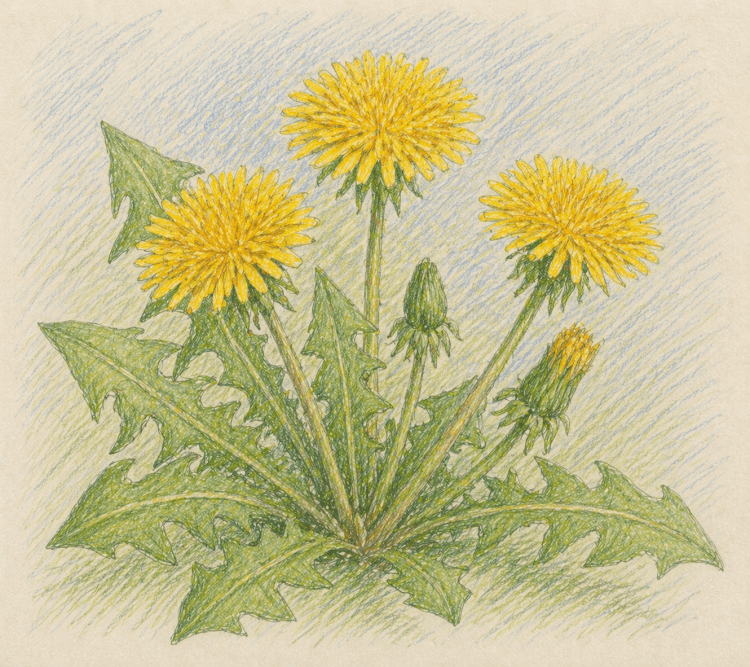
A familiar sight, but often underestimated. Every part of the dandelion is useful.
Benefits & Uses:
Supports digestion and liver health.
Try this:
Use young leaves in salads (they’re pleasantly bitter), or make dandelion honey by simmering flowers with sugar and lemon.
6. Rumex acetosa – Sorrel
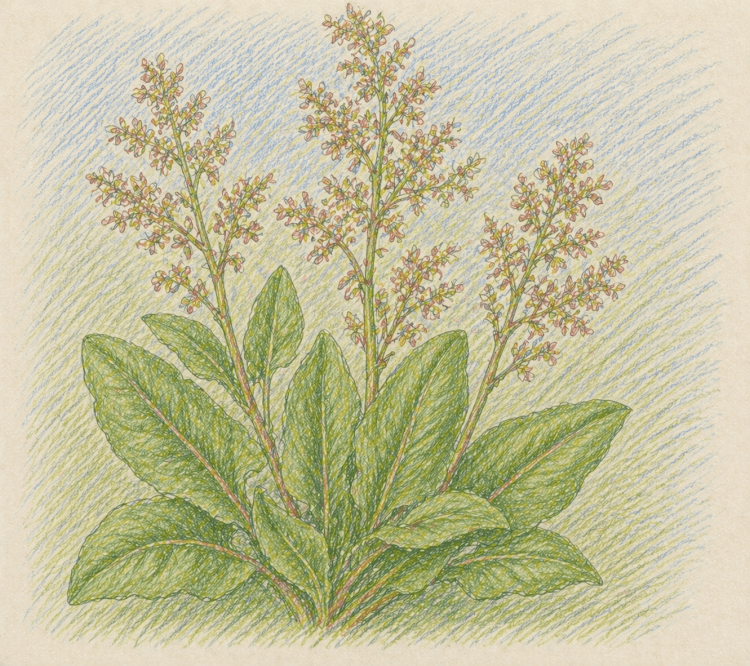
A bright, lemony green that grows in meadows and grassland.
Benefits & Uses:
High in vitamin C and refreshing to the palate.
Try this:
Chop into salads or stir into soups for a citrusy lift. It pairs beautifully with fish.
7. Galium aparine – Cleavers
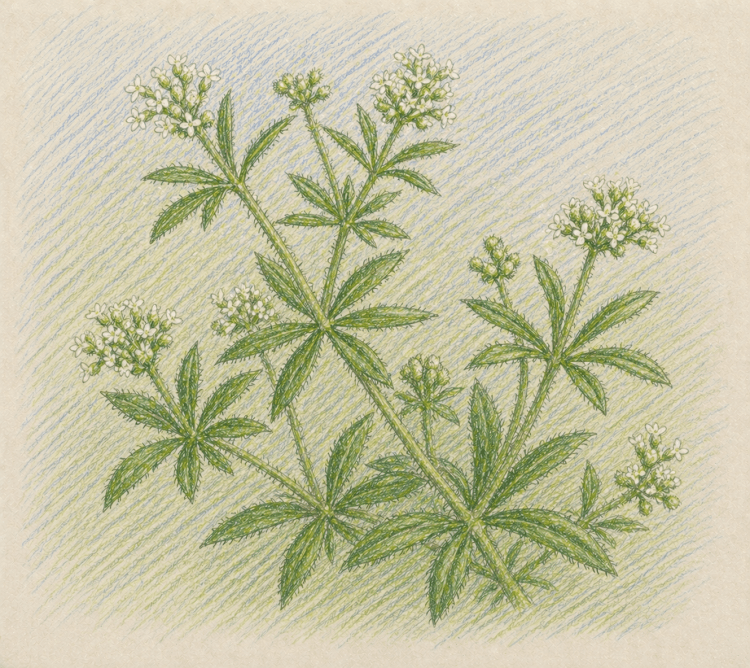
You’ll recognise cleavers by the way they cling to your clothes.
Benefits & Uses:
Traditionally used as a gentle detoxifier and for skin support.
Try this:
Steep fresh cleavers in cold water overnight for a mild herbal infusion. It can also be used as a soothing skin rinse.
8. Bellis perennis – Daisy
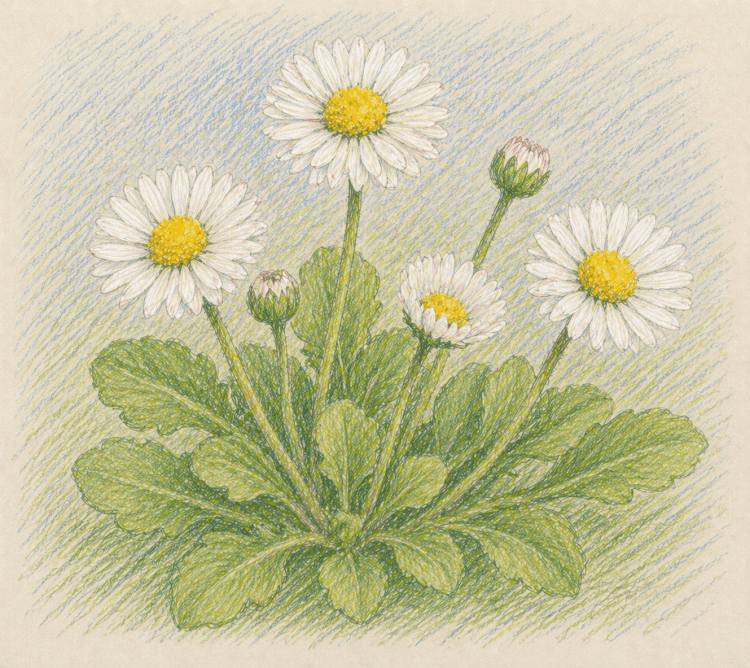
Small but abundant, daisies are surprisingly versatile.
Benefits & Uses:
Mildly anti-inflammatory and used in traditional remedies.
Try this:
Scatter petals over salads for a decorative touch, or infuse in oil to create a simple skin balm.
A Final Thought
Foraging in May is less about filling a basket and more about learning to see. Once you begin to notice wild garlic underfoot or the first elderflower blooms overhead, the landscape changes—it becomes richer, more generous, and more alive.
Take your time. Pick thoughtfully. And leave enough behind for others—human and wild alike.
Further Reading: The Art of Foraging: Discovering Nature’s Larder, Discover Nature’s Bounty Foraging for Food and Fun
Inspiration: Instagram, TikTok, Threads, Pinterest, Twitter, BlueSky