








A Thoughtful Approach to Saving, Storing and Sustaining
Each spring, as Easter approaches, supermarket shelves across the UK are filled with familiar headlines: carrots for pennies, potatoes at prices that feel almost nostalgic, and humble greens reduced to just a few pence per bag. These seasonal vegetable deals—often as low as 4p to 15p—have become something of a ritual.
At first glance, it can feel surprising, even unsettling. How can food be sold so cheaply? And what does it mean for those who grow it?
In many cases, these prices are part of a wider retail strategy. Supermarkets reduce staple items to attract shoppers, absorbing much of the cost themselves. Farmers, more often than not, are protected by pre-agreed contracts. Yet the conversation doesn’t end there. The long-term value of food, the pressures on British agriculture, and the realities of rising production costs all sit quietly behind these headline-grabbing offers.
And still—within this complexity—there is an opportunity.
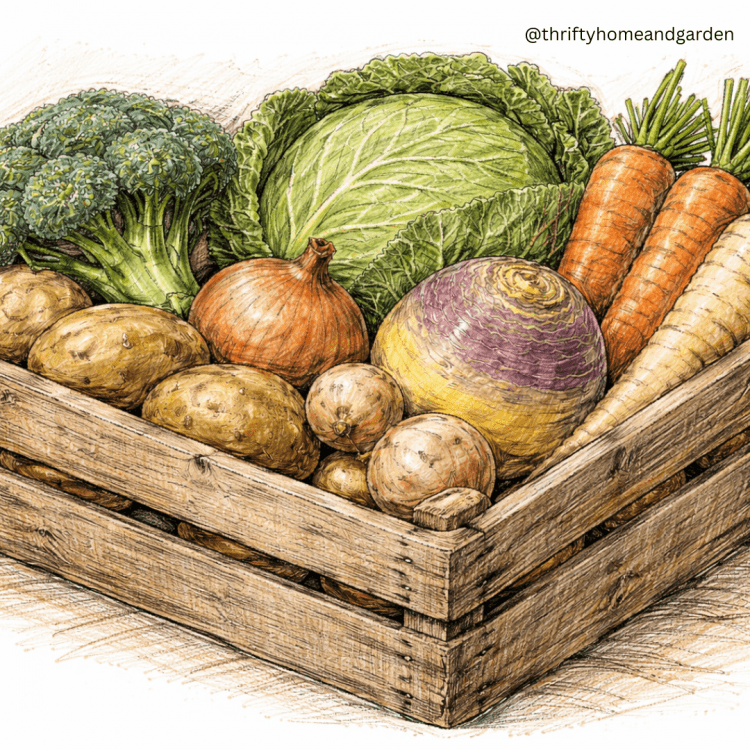
A moment to make the most of what’s available
We are living through a time when many households are feeling the weight of rising costs. Thoughtful shopping, careful planning, and reducing waste have become more important than ever.
These seasonal vegetable offers, when approached with intention, can become a small but meaningful way to support your household.
Rather than seeing them as fleeting bargains, consider them as an invitation: to cook, to store, and to prepare for the weeks ahead.
The freezer: a quiet ally in the kitchen
One of the simplest and most effective ways to make the most of these offers is to turn to the freezer.
Freezing vegetables allows you to:
- Extend their life for months
- Reduce food waste
- Create a ready supply of ingredients for future meals
- Save both time and money later on
With a little preparation, those inexpensive bags of carrots, parsnips or broccoli can become the foundation of nourishing, home-cooked dishes long after Easter has passed.
How to prepare vegetables for freezing
Freezing vegetables successfully is less about complexity and more about care.
Step 1: Wash and prepare
Clean thoroughly and chop into practical portions—think slices, chunks or batons depending on how you plan to use them.
Step 2: Blanching
Blanching helps preserve flavour, colour and nutrients.
- Bring a large pan of water to the boil
- Add vegetables and cook briefly:
- Carrots: 2–3 minutes
- Broccoli: 2 minutes
- Green beans: 3 minutes
- Transfer immediately into iced water to stop cooking
Step 3: Dry and freeze
- Pat dry thoroughly
- Lay flat on a tray to freeze individually (this prevents clumping)
- Once frozen, transfer to labelled freezer bags or containers
Stored well, most vegetables will keep for 8–12 months.
Cooking now, saving for later
Another approach is to cook in batches—turning today’s ingredients into tomorrow’s meals.
Ideal dishes for freezing:
- Hearty vegetable soups
- Slow-cooked casseroles
- Mild curries and stews
- Roasted vegetable mixes
Cook in generous quantities, allow to cool, portion into containers, and freeze.
This creates a reserve of ready-made meals—particularly helpful on busy evenings or when budgets are stretched.
Why this matters more than ever
Food waste in UK households remains significant, while food costs continue to rise. Making the most of what we buy is both a practical and meaningful step.
- The average UK household wastes hundreds of pounds of food each year
- Frozen food can reduce waste by extending shelf life dramatically
- Batch cooking can reduce energy use and shopping frequency
These are small actions, but collectively they create resilience.
A gentle shift in perspective
Rather than viewing these seasonal offers as fleeting bargains, they can become part of a more mindful rhythm:
- Buy with intention
- Prepare with care
- Store for the future
- Cook with confidence
In doing so, we turn a moment of price competition into something quietly sustaining.
A thought to carry forward
“Look after the small things, and the larger ones will follow.”
In uncertain times, it is often these small, steady habits—stocking the freezer, cooking from scratch, planning ahead—that bring a sense of control and comfort.
Making it work for your household
Start simply:
- Choose 2–3 vegetables on offer
- Freeze half, cook half
- Build a small reserve of meals over a few weeks
- Label everything clearly with dates
You don’t need a large freezer or elaborate system—just a little consistency.
A closing note
These Easter vegetable deals may come and go, but the habits they inspire can last much longer. By making thoughtful use of what’s available, we not only stretch our budgets—we also reconnect with a more resourceful, considered way of feeding ourselves and those around us.
And in that, there is something quietly reassuring.
Further Reading: Foraging in April: Return to the Hedgerows, What’s in Season in April, Ho, w to store food without plastic, Free Easter holiday activities for kids, Creative ways to celebrate Easter on a budget
Inspiration: Instagram, TikTok, Threads, Pinterest, Twitter, BlueSky