








There’s a particular kind of morning in April when everything feels just on the cusp of waking. The ground is still cool beneath your feet, but the hedgerows are stirring — fresh green leaves unfurling, blossoms opening, and the first wild flavours of the year quietly appearing.
Foraging at this time of year isn’t about abundance just yet. It’s about noticing. About stepping outside, slowing down, and recognising what’s growing around you — often in the most familiar of places.
A walk along a country path, the edge of a woodland, or even a quiet corner of a park can offer more than you might expect.
🌿 Wild Garlic (Ramsons)
If you follow your nose in April, you may well find wild garlic before you see it. Its soft, unmistakable scent drifts through damp woodlands, where it grows in generous carpets.
The leaves are tender and vibrant, with a gentle garlic flavour that feels fresh rather than sharp.
Nutritionally, wild garlic is rich in vitamins A and C and has long been valued for its natural antibacterial qualities. Traditionally, it’s been used to support circulation and general wellbeing — a kind of seasonal reset after winter.
In the kitchen, it lends itself to simple pleasures. A handful blended into a pesto, stirred through warm pasta, or folded into butter can transform even the most modest meal. It’s equally at home in soups, where its flavour softens and deepens.
🌼 Dandelion
Often overlooked, dandelions are one of the most accessible and generous wild foods of spring.
Their young leaves, picked before flowering, have a pleasantly bitter edge — much like rocket — and are rich in vitamins A, C and K, as well as iron and potassium. Traditionally, dandelion has been used to support digestion and liver health, earning it a quiet place in herbal remedies.
The leaves can be tossed into salads or lightly wilted with garlic. The bright yellow flowers can be used to make syrups or infused into honey, while the roots are sometimes roasted and used as a coffee alternative.
There’s something rather satisfying in rediscovering the value of a plant so often dismissed.
🌸 Daisy
Small and familiar, daisies are easy to pass by without a second thought. Yet they offer a delicate, edible addition to springtime meals.
Rich in vitamin C and known for their mild anti-inflammatory properties, daisies have been used in traditional remedies for soothing minor skin irritations.
In the kitchen, their flavour is subtle — slightly grassy with a hint of bitterness — but they bring a quiet beauty to salads, cakes and drinks. Scattered over a dish, they add a sense of the season to the plate.
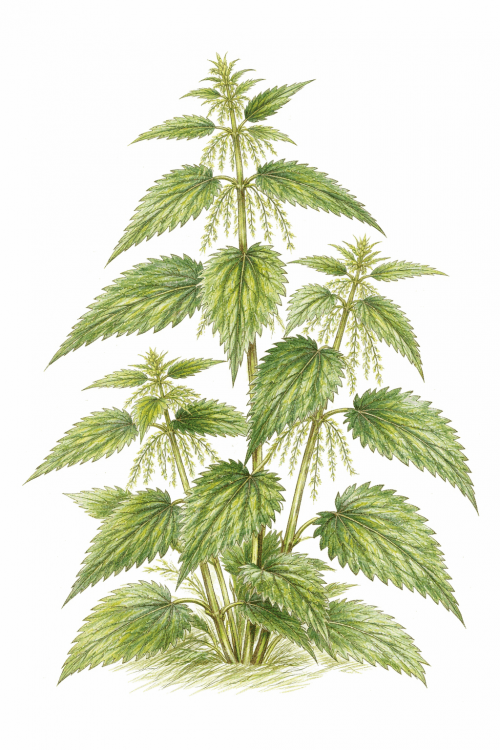
🌿 Nettle
Approach with care, and nettles quickly reveal their worth.
Once blanched or cooked, their sting disappears, leaving behind a deeply nourishing green. Nettles are rich in iron, calcium and vitamins A and C, making them a valuable addition to the early spring diet.
For generations, they’ve been used as a tonic — a way of restoring energy after winter.
Nettle soup is perhaps the most well-known use, its earthy flavour softened with onion and potato. They can also be used in teas, which are said to support overall vitality, or stirred into risottos and stews.
🌱 Chickweed
Often found in gardens and along paths, chickweed is a gentle, cooling herb that thrives in the damp soil of early spring.
It’s high in vitamins and minerals, particularly vitamin C, and has traditionally been used for its soothing properties, both internally and applied to the skin.
Its flavour is mild and fresh, making it a lovely addition to salads, sandwiches or as a soft green garnish. It’s one of those plants that quietly supports rather than overwhelms.
🌼Primrose
A true sign that spring has arrived, primroses bring both colour and a delicate sweetness to the hedgerow.
The flowers are edible and contain small amounts of vitamin C. Traditionally, they’ve been used in calming teas and infusions, thought to help with relaxation and rest.
In the kitchen, they can be candied for decorating cakes, added to salads, or infused into syrups for a subtle floral note.
🌿 Ground Elder
Once planted as a food source in medieval times, ground elder has a long and somewhat misunderstood history.
Its young leaves, best picked early in the season, are rich in vitamin C and were historically used to ease joint discomfort — hence its old name, “goutweed”.
Cooked like spinach, it has a soft, slightly herbal flavour. It works well in soups, stews or simply sautéed with butter.
A Few Gentle Reminders
Foraging is as much about care as it is about curiosity. Only take what you can confidently identify, and gather lightly, leaving plenty behind for wildlife and for the plant to continue growing.
Avoid busy roadsides and areas that may have been treated, and always respect the land you’re walking on.
A Season of Small Discoveries
April doesn’t overwhelm — it invites.
A handful of leaves, a few flowers, a quiet moment in a woodland clearing. These are the beginnings of something. Not just in the landscape, but in the way we eat and notice the world around us.
To forage at this time of year is to take part in that gentle unfolding — to bring a little of the outside in, and to savour it, simply.
Further Reading: Favourite Books for Thrifty Living and Honest Food, Eat Well for Less: Shop Smart, Cook Better, and Cut Waste
Inspiration: Instagram, TikTok, Threads, Pinterest, Twitter, BlueSky