







Potato peelings. For most of us, they’re destined for the compost bin or the rubbish. Yet these humble scraps carry a secret worth savouring—one that thrifty cooks throughout history have understood well. Rather than discarding what seems like waste, you can transform potato peels into a nourishing, flavourful soup that champions sustainability whilst delighting your palate.
This isn’t merely about making do with less. Potato peel soup offers genuine nutritional benefits and a taste that surprises those encountering it for the first time. With a few simple ingredients and a dash of culinary curiosity, you can turn yesterday’s peelings into today’s satisfying meal.
The wisdom of waste-not cooking
Throughout culinary history, resourceful home cooks have practiced the art of using every edible scrap. During times of rationing and scarcity, particularly in wartime Britain, potato peel soup became a staple for families determined to stretch their resources. What began as necessity has evolved into a celebrated example of sustainable cooking.
Potato peels contain surprising amounts of fibre, vitamins and minerals. The skin of a potato holds much of its potassium, vitamin C, and iron—nutrients often lost when we peel and discard. By reclaiming these peelings, you’re not just reducing waste; you’re capturing goodness that would otherwise go unappreciated.
Modern environmental awareness has sparked renewed interest in zero-waste cooking. Chefs and home cooks alike are rediscovering traditional techniques that honor ingredients from root to tip, or in this case, from flesh to peel.
Preparing your potato peels
Before you begin crafting your soup, proper preparation ensures both safety and flavour. Start by thoroughly washing your potatoes before peeling them. This removes any dirt or potential contaminants that might linger on the skin.
Choose organic potatoes when possible, as conventional varieties may carry pesticide residues concentrated in the peel. If organic options aren’t available, give your potatoes an extra-thorough scrub with a vegetable brush under running water.
Collect your peelings in a clean bowl as you work through your regular potato preparation. You’ll need approximately 400g of potato peels for a generous batch of soup—roughly the peelings from 1.5-2kg of potatoes. Fresh peelings work beautifully, but you can also save them in the refrigerator for up to two days or freeze them for later use.
Inspect the peels and remove any green patches, sprouts or damaged areas. Green discolouration indicates the presence of solanine, a naturally occurring compound that can cause digestive upset. These bits should go straight to the compost.
The essential recipe
Creating potato peel soup requires minimal ingredients and straightforward technique. Here’s what you’ll need:
Ingredients:
- 400g clean potato peels
- 1 large onion, finely chopped
- 2 cloves garlic, minced
- 1 litre vegetable stock
- 2 tablespoons olive oil or butter
- 150ml double cream or plant-based alternative (optional)
- Salt and freshly ground black pepper
- Fresh herbs (thyme, parsley, or chives) for garnish
Method:
Begin by heating the oil or butter in a large saucepan over medium heat. Add the chopped onion and sauté gently for 5-7 minutes until softened and translucent. The onion provides a sweet, aromatic foundation for your soup.
Stir in the minced garlic and cook for another minute, allowing its fragrance to bloom. Take care not to brown the garlic, as this can introduce bitterness.
Add your potato peels to the pan, stirring them through the onion and garlic mixture. Pour in the vegetable stock, ensuring the peels are fully submerged. Bring the mixture to a gentle boil, then reduce the heat and simmer for 20-25 minutes. The peels should become tender and begin to break down.
Once the peels have softened, remove the pan from the heat and allow it to cool slightly. Using a hand blender, purée the soup until smooth and creamy. Alternatively, transfer the mixture in batches to a countertop blender, taking care with the hot liquid.
Return the blended soup to the pan and stir through the cream if using. Season generously with salt and pepper, tasting as you go. The soup should have a velvety texture and earthy flavour that speaks to the potato’s humble origins.
Serve hot, garnished with a scattering of fresh herbs and perhaps a swirl of cream or a drizzle of good olive oil.
Variations and enhancements
The basic recipe serves as a canvas for creative additions. Consider these variations to suit your taste:
Leek and potato peel soup: Replace half the onion with sliced leeks for a gentler, more sophisticated flavour profile reminiscent of traditional vichyssoise.
Smoked paprika version: Add a teaspoon of smoked paprika along with the garlic for a warming, Spanish-inspired twist.
Cheese and chive: Stir through 50g of grated mature cheddar and top with snipped fresh chives for a comforting variation.
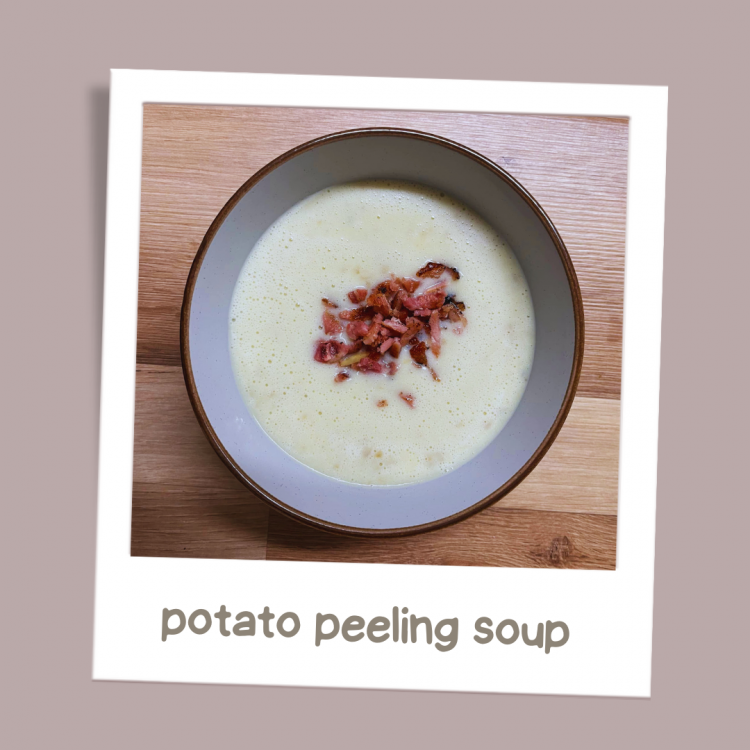
Bacon bits: Crispy bacon lardons scattered over the finished soup add satisfying texture and savoury depth.
Nutritional advantages
Potato peels punch well above their weight nutritionally. They contain more fibre than the potato flesh itself, supporting digestive health and helping you feel satisfied longer. The skins are particularly rich in potassium, which plays a vital role in heart health and blood pressure regulation.
Vitamin C, often associated with citrus fruits, appears in generous amounts in potato skins. This antioxidant supports immune function and skin health. You’ll also find B vitamins, iron and calcium nestled within these thin layers.
By creating soup from potato peels, you’re crafting a meal that’s both economical and nourishing. The addition of stock, cream and aromatics rounds out the nutritional profile whilst creating a satisfying dish that belies its frugal origins.
Beyond the bowl
Potato peel soup represents more than a clever way to use kitchen scraps. It embodies a philosophy of mindful consumption that respects resources and reduces waste. Each batch you prepare is a small act of environmental stewardship, diverting organic material from landfill whilst providing wholesome sustenance.
This approach to cooking connects us to earlier generations who viewed food as precious and waste as unthinkable. Their wisdom, born of necessity, offers valuable lessons for our age of abundance. By embracing recipes like this one, we honour their resourcefulness whilst forging a more sustainable path forward.
Consider sharing your potato peel soup with friends or family. The conversation it sparks about food waste and creative cooking often proves as nourishing as the soup itself. You might inspire others to reconsider what qualifies as “waste” in their own kitchens.
A recipe worth repeating
Potato peel soup transforms what many consider rubbish into a meal of genuine worth. With straightforward preparation and humble ingredients, you can create a dish that tastes delicious, provides solid nutrition and reduces household waste.
The next time you’re peeling potatoes, pause before discarding those curls of skin. They contain the makings of something wonderful—a soup that tells the story of resourcefulness, respect for ingredients, and the enduring wisdom of waste-not cooking. Give it a try and discover what you’ve been throwing away all these years.
Further Reading: Foraging in November: A Guide to Winter Harvest, Winter Comfort Food – Casseroles and Stews, English Pudding Season,
Inspiration: Instagram, TikTok, Threads, Pinterest, Twitter, BlueSky