There comes a point in autumn when the days seem to shrink almost overnight.
One moment, there is still enough daylight to potter about in the garden after supper. The next, it is barely four o’clock and the world outside has already begun preparing for bed.
The mornings arrive reluctantly, the evenings draw in, and the sun, when it does make an appearance, seems to have developed a rather casual attitude towards its working hours.
Meanwhile, we carry on much as before.
The same commitments, the same expectations, the same seemingly endless collection of things that need doing. We attempt to fit a summer’s worth of activity into a winter’s worth of daylight, wondering why everything suddenly feels a little more exhausting.
Yet perhaps the changing season is offering us something worth listening to.
Not an invitation to abandon our responsibilities, nor an excuse to spend the next four months beneath a blanket, tempting though that might be.
Simply an opportunity to reconsider the pace at which we live.
Because there is a quiet art to slowing down, and the shorter days may be the perfect time to rediscover it.
When Nature Changes Its Pace
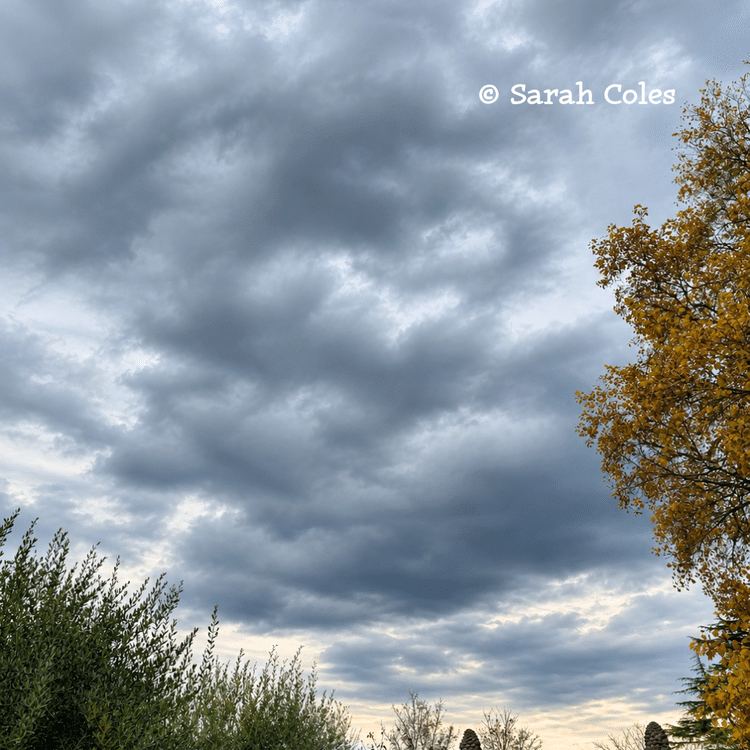
Step outside on a November morning and the countryside tells a different story from the one it was telling just a few weeks earlier.
The hedgerows have lost much of their greenery, the fields have settled into their winter patterns, and deciduous trees stand increasingly bare against the sky.
Much of the natural world is responding to the shortening days and falling temperatures.
For many plants, autumn brings a gradual reduction in growth. Deciduous trees withdraw valuable nutrients from their leaves before shedding them, while numerous herbaceous perennials retreat below ground, storing energy in roots, bulbs or other underground structures until conditions improve.
Some mammals prepare for winter by building up fat reserves, changing their behaviour or entering periods of reduced activity. Hedgehogs, for example, generally begin hibernating as food becomes scarcer and temperatures fall, although the timing varies with the weather and the individual animal.
Other creatures remain active throughout the colder months, adapting their feeding habits and routines to the conditions.
Nature does not follow one universal winter timetable.
But it does respond to the season.
There is something reassuring about that.
The countryside does not attempt to maintain the exuberance of June throughout November. An oak tree does not regard the loss of its leaves as a personal failing, and the garden does not apologise for looking a little untidy.
There is a time for growth and a time for conservation.
We understand this perfectly well when it comes to the natural world.
For ourselves, however, we seem to have rather different expectations.
The Curious Business of Being Busy
Somewhere along the way, being busy became a measure of success.
We fill our diaries, make lists, create plans and occasionally add things to those lists purely for the satisfaction of crossing them off.
A quiet afternoon can feel strangely uncomfortable, as though we ought to be doing something more worthwhile.
Even our leisure time has become remarkably organised.
A walk must contribute towards a daily step count. A hobby should develop into a skill. A weekend needs to be productive, memorable or preferably both.
And should we find ourselves sitting peacefully with a cup of tea, there is often a small voice reminding us about the laundry.
Of course, responsibilities do not disappear simply because the clocks have gone back. Work must be done, families need looking after and the everyday business of life continues.
But perhaps there is room to question how much of our busyness is genuinely necessary.
How many commitments do we keep because we enjoy them, and how many because we have become accustomed to saying yes?
How often do we rush through one activity while thinking about the next?
And when did doing nothing become something we felt obliged to justify?
Slowing down is not necessarily about having fewer things to do.
Sometimes it is simply about giving our attention to the thing we are doing.
The Gentle Influence of Daylight
There is a reason why shorter days can affect the way we feel.
Light plays an important role in regulating our circadian rhythms, the internal processes that help govern our sleep and waking patterns.
Exposure to natural light, particularly earlier in the day, helps the body maintain a regular sleep-wake cycle. As daylight hours shorten, changes in light exposure can influence sleep, alertness and mood.
For some people, the darker months bring noticeable changes in energy and motivation. Others experience seasonal affective disorder, a form of depression associated with particular times of year, most commonly autumn and winter.
It is important not to dismiss persistent low mood as simply part of the season. Anyone finding that changes in mood, sleep or energy are affecting everyday life should seek advice from a healthcare professional.
But for many of us, the arrival of shorter days is also a useful reminder to pay attention to our daily routines.
Getting outside during daylight, even for a short walk, can help us maintain regular patterns of activity and sleep.
And there is something particularly lovely about the low winter sun.
It slips beneath the branches of bare trees, catches the tops of hedgerows and turns an ordinary field into something unexpectedly beautiful.
The light may be with us for fewer hours, but that does not make it any less worth enjoying.
Perhaps we simply need to make a little more room for it.
Rediscovering the Pleasure of Doing One Thing at a Time
Modern life has made multitasking something of an art form.
We answer messages while preparing supper, listen to the news while getting dressed and mentally organise tomorrow before today has properly finished.
There is a certain efficiency to all this, although it does rather take the pleasure out of making a cup of tea.
Slowing down invites us to approach familiar activities differently.
A walk becomes an opportunity to notice the landscape rather than another task to complete. Cooking becomes something to enjoy rather than a race to get food onto the table. Reading becomes a pleasure in itself, without the need to finish a particular number of books before the year ends.
Even ordinary household tasks can feel different when approached without quite so much urgency.
There is a quiet satisfaction in preparing a meal from scratch, folding freshly dried washing or tidying a room without trying to accomplish six other things at the same time.
Not every task will suddenly become a deeply meaningful experience, of course.
Cleaning the oven remains cleaning the oven, however mindfully one approaches it.
But there is value in allowing ourselves to be present in the everyday moments that make up so much of our lives.
After all, life does not happen only during holidays, celebrations and special occasions.
Much of it takes place on perfectly ordinary Tuesdays.
The Comfort of Familiar Rituals
As the evenings draw in, small rituals begin to take on greater importance.
The first cup of tea in the morning. A favourite radio programme while preparing supper. Lighting a lamp as dusk settles outside. A regular walk along a familiar route, watching how the landscape changes from week to week.
These habits may seem unremarkable, but they provide a sense of continuity.
They mark the passing of the day and offer moments of familiarity amid the demands of everyday life.
In Britain, we have a long tradition of finding comfort in the home during the colder months.
The kitchen becomes a gathering place, soups and casseroles return to the table, and the prospect of an evening indoors begins to feel rather appealing.
There is no need to turn every evening into an elaborate celebration of cosy living.
A comfortable chair, a good book and a working reading lamp will generally do the job perfectly well.
Nor does slowing down require expensive candles, matching blankets or an entirely new collection of seasonal accessories.
The most comforting rituals are often the ones we have developed naturally over time.
They belong to us because they are familiar, not because they have been carefully arranged to look attractive in a photograph.
Learning to Leave a Little Space
One of the more difficult aspects of slowing down is learning not to fill every available moment.
An empty afternoon can feel like an invitation to tackle a neglected cupboard, organise paperwork or finally begin that project we have been meaning to start since Easter.
There is always something that could be done.
But perhaps not everything needs to be done immediately.
Leaving space in our days allows room for the unexpected.
A conversation that lasts longer than planned. An invitation to join a friend for coffee. A walk that takes a little longer because the weather is lovely. An afternoon spent reading because the book is simply too good to put down.
These are not interruptions to a well-organised life.
They are part of what makes life enjoyable.
And there is a difference between wasting time and allowing ourselves time that has no particular purpose.
We do not need to account for every hour.
Sometimes an afternoon can simply be an afternoon.
Slowing Down Does Not Mean Standing Still
It is worth remembering that a slower pace of life does not necessarily mean a less interesting one.
Indeed, it may allow us to become more engaged with the world around us.
When we are constantly hurrying, much of what surrounds us becomes background scenery.
We pass the same trees without noticing their changing leaves. We walk familiar streets without looking at the buildings. We hurry through conversations while thinking about what needs to happen next.
But when we give ourselves a little more time, ordinary places begin to reveal their details.
The changing shape of a hedgerow. The sound of a robin singing from a garden fence. The first frost outlining the edges of fallen leaves.
There is a particular pleasure in becoming familiar with a place through the seasons.
A woodland path walked regularly throughout the year is never quite the same path twice.
In spring, it may be bright with new growth and birdsong. Summer brings deep shade and the hum of insects. Autumn scatters leaves across the ground, while winter reveals the structure of the trees and the distant views hidden for much of the year.
We do not have to travel far to discover something new.
Sometimes we simply have to pay closer attention.
Making Peace with the Darker Evenings
The shorter days are not always easy to welcome.
There are mornings when getting out of a warm bed requires considerable determination, and evenings when darkness seems to arrive before we have properly begun the afternoon.
November can be damp, cold and persistently grey.
There is no need to pretend otherwise.
But perhaps learning to live more comfortably with the season means accepting its less appealing qualities alongside its pleasures.
We can enjoy the crisp mornings without feeling obliged to admire every spell of freezing rain.
We can appreciate the beauty of an early dusk while still wishing the daylight lasted a little longer.
And we can make the most of the season without insisting that every moment must be magical.
There is a reassuring honesty about November.
It is not trying particularly hard to impress anyone.
Perhaps that is part of its charm.
Finding a Rhythm That Feels Like Your Own
The art of slowing down is not about following a prescribed routine or achieving some ideal version of a peaceful life.
For one person, it might mean spending more time outdoors. For another, it may be an evening without the television, a Sunday spent cooking or simply allowing an extra ten minutes in the morning before the day begins.
Some people thrive on busy schedules and lively social lives. Others need more quiet time to feel rested.
Neither approach is inherently better.
The important thing is recognising what leaves us feeling fulfilled rather than constantly depleted.
As the days grow shorter, perhaps it is worth asking ourselves a few simple questions.
What do I genuinely enjoy doing?
What am I continuing out of habit rather than pleasure?
Where could I make a little more room for rest, curiosity or the people who matter to me?
And what might happen if I stopped treating every quiet moment as an opportunity to get something done?
The answers need not lead to dramatic changes.
Sometimes the smallest adjustments make the greatest difference.
A Season for Taking Our Time
There is a particular moment on a November afternoon when the light begins to fade, the birds settle into the hedgerows and the world seems to grow a little quieter.
It is a gentle reminder that another day is drawing to a close.
There will still be things left undone. Messages unanswered. Jobs waiting patiently for tomorrow.
And that is perfectly all right.
The countryside beyond our windows is preparing for winter, following rhythms shaped by countless seasons. Trees are conserving their resources, wildlife is adapting to the colder weather, and the landscape is settling into its quieter months.
Perhaps we can learn something from that.
Not that we should retreat from life or abandon our ambitions, but that there is wisdom in recognising when to ease our pace.
To enjoy what is in front of us rather than continually looking towards what comes next.
To make room for the ordinary pleasures that so often pass unnoticed.
And to understand that rest is not something we must earn by exhausting ourselves first.
The days may be growing shorter, but that does not mean they have less to offer.
Perhaps, with a little less rushing and a little more noticing, we might discover that there is quite enough time for the things that truly matter.
Even if the sun has decided to finish work at four o’clock.
Further Reading: What’s in Season in November? A Guide to Britain’s Late Harvest, What to Forage in November: The Last Gifts of the Hedgerows, Soup Season: Delicious Homemade Soups for Chilly Autumn Days, Making the Most of November Outdoors
Daily Inspiration: Instagram, Pinterest, Threads, Twitter, TikTok, BlueSky